.jpg)
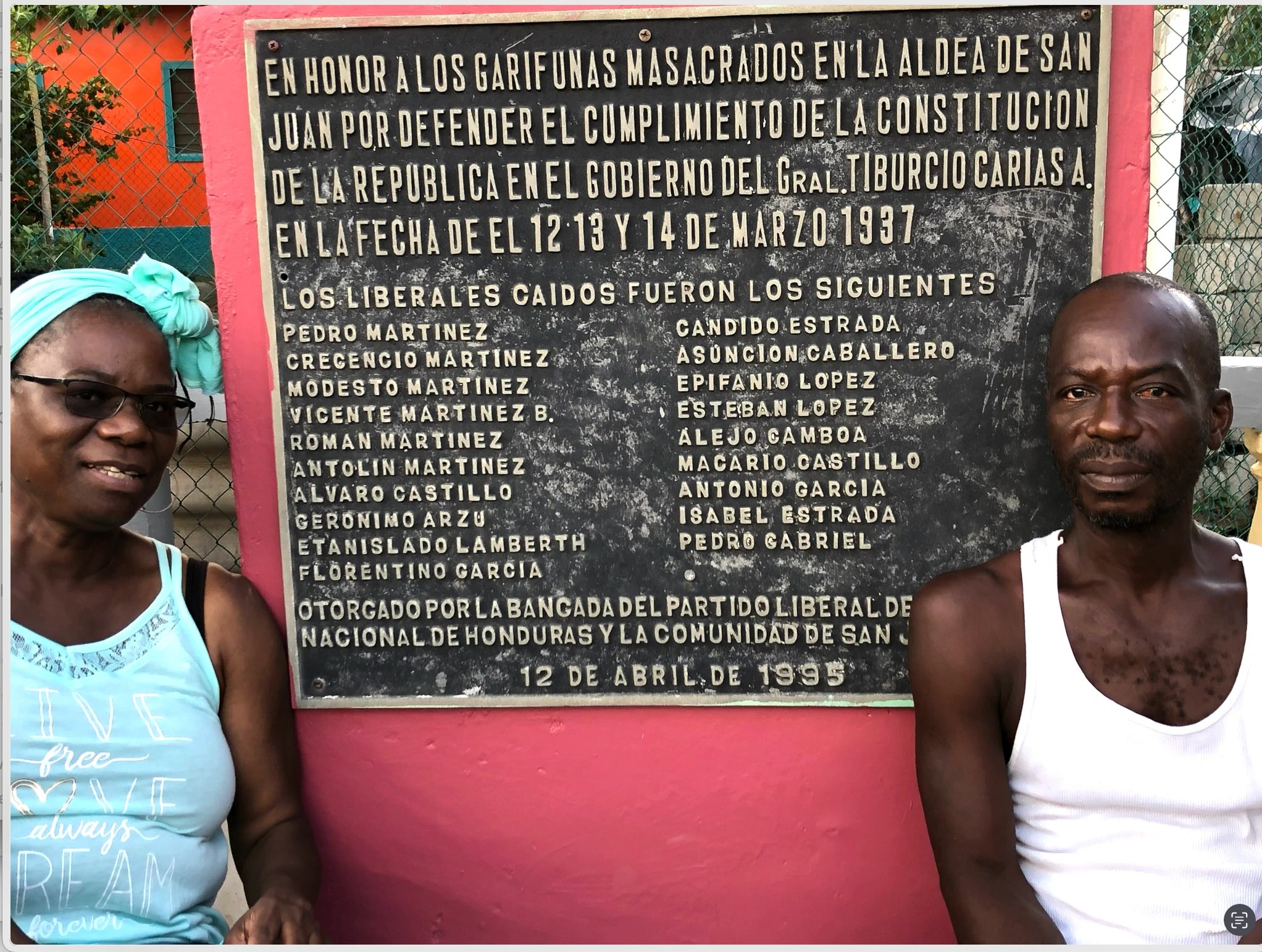
The San Juan, Tela Massacre of March 12, 1937, stands as a tragic and defining moment in Garifuna history, marking a period of violence, displacement, and resilience. Under the rule of Tiburcio Carías Andino, Honduran government forces launched a brutal attack on the Garifuna community in San Juan, Tela. Following the failed insurrection of General Justo Umaña, the government sought to make an example of the Garifuna people, unleashing violence that resulted in widespread suffering. Soldiers, led by Tomás Martínez, rounded up men, looted homes, and terrorized families. Many were forced to dig their own graves before being executed. This act of state repression displaced countless families, forcing them to flee to Belize, Guatemala, and beyond in search of safety.
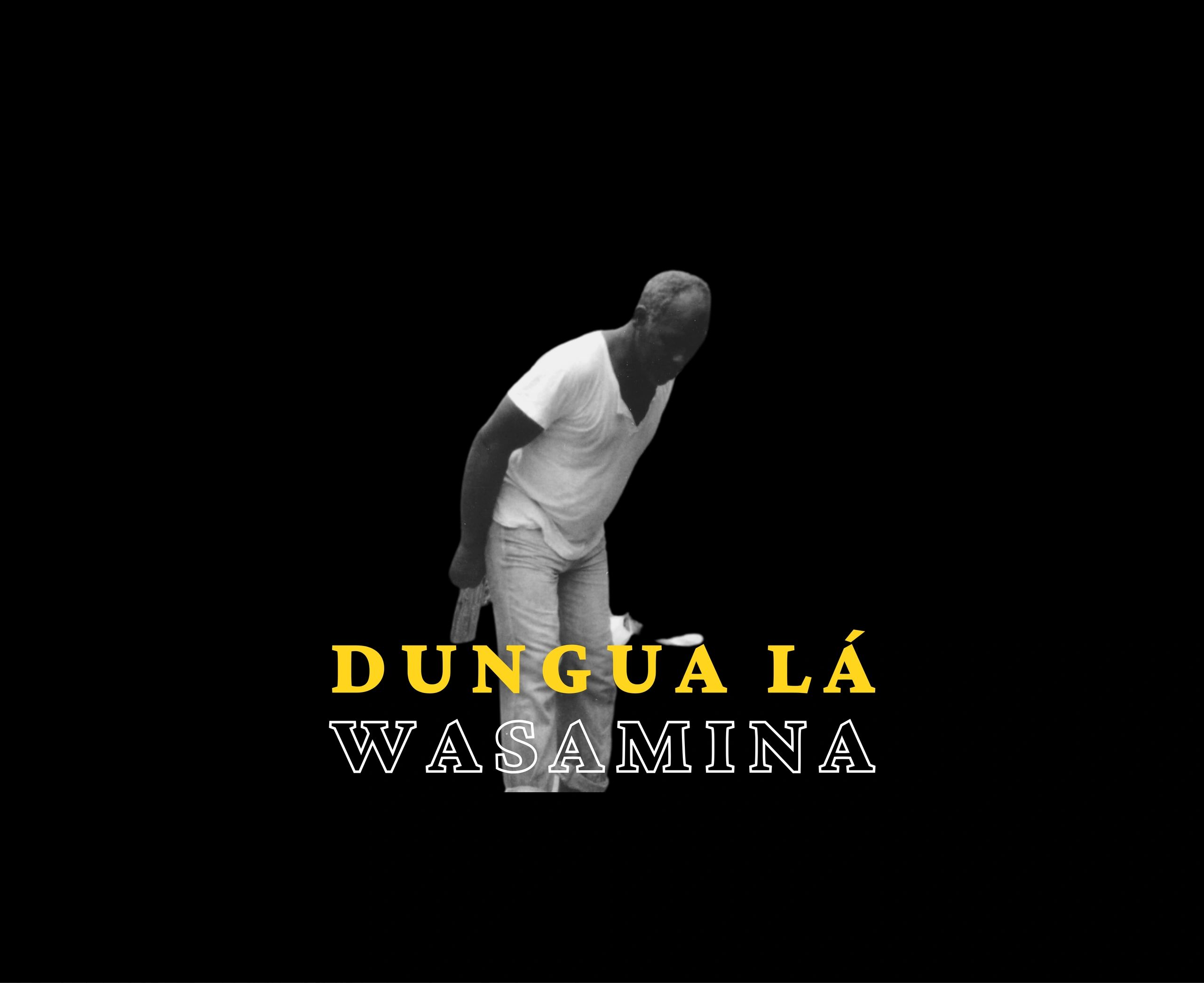
Among those who escaped was Apolinaria Petillo-Lambey, a widow who fled to Belize with her young son, Pablo Lambey. This forced migration and survival moment would shape Pablo’s path, influencing his life’s work and leadership in Garifuna cultural and labor rights.
Migration and Labor: The Path That Led to Honduras
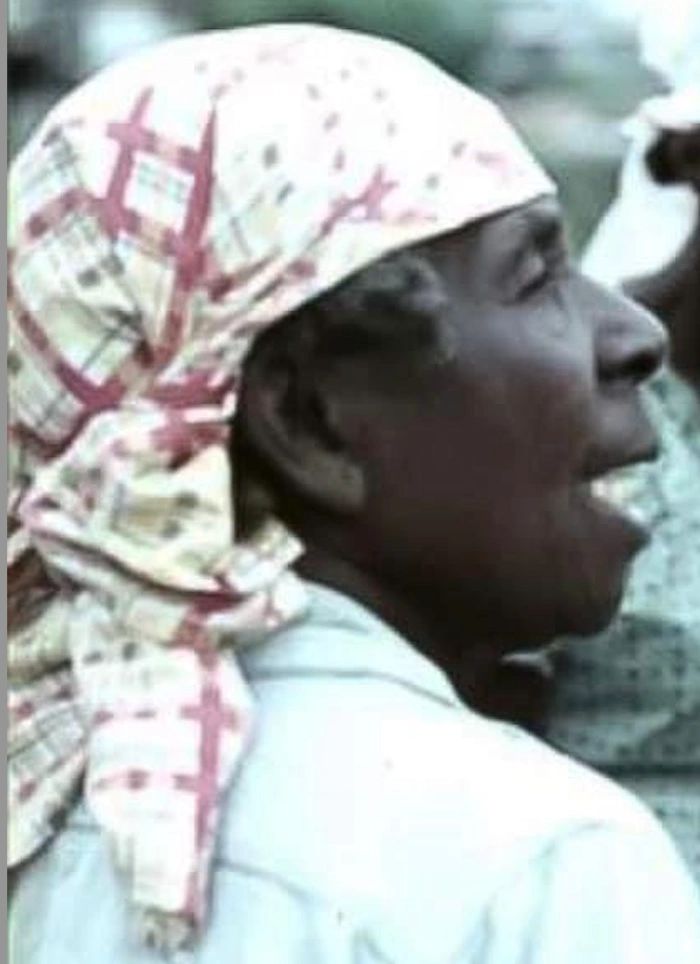
The circumstances leading to Pablo Lambey’s birth in Honduras were deeply tied to the economic struggles of the Garifuna people. The imposition of a tax system on Garinagu forced many into wage labor, pushing them to migrate to Honduras in search of work. This economic displacement set the stage for Pablo’s family’s presence in Honduras, only for them to be forcibly uprooted after the San Juan Massacre.
This migration and forced displacement cycle reflected a broader reality for many Garinagu, whose survival depended on mobility and adaptability. The hardships endured by his family during this period likely influenced Pablo’s later commitment to workers' rights and economic empowerment.
Repression, Indigenous Marginalization, and Resistance
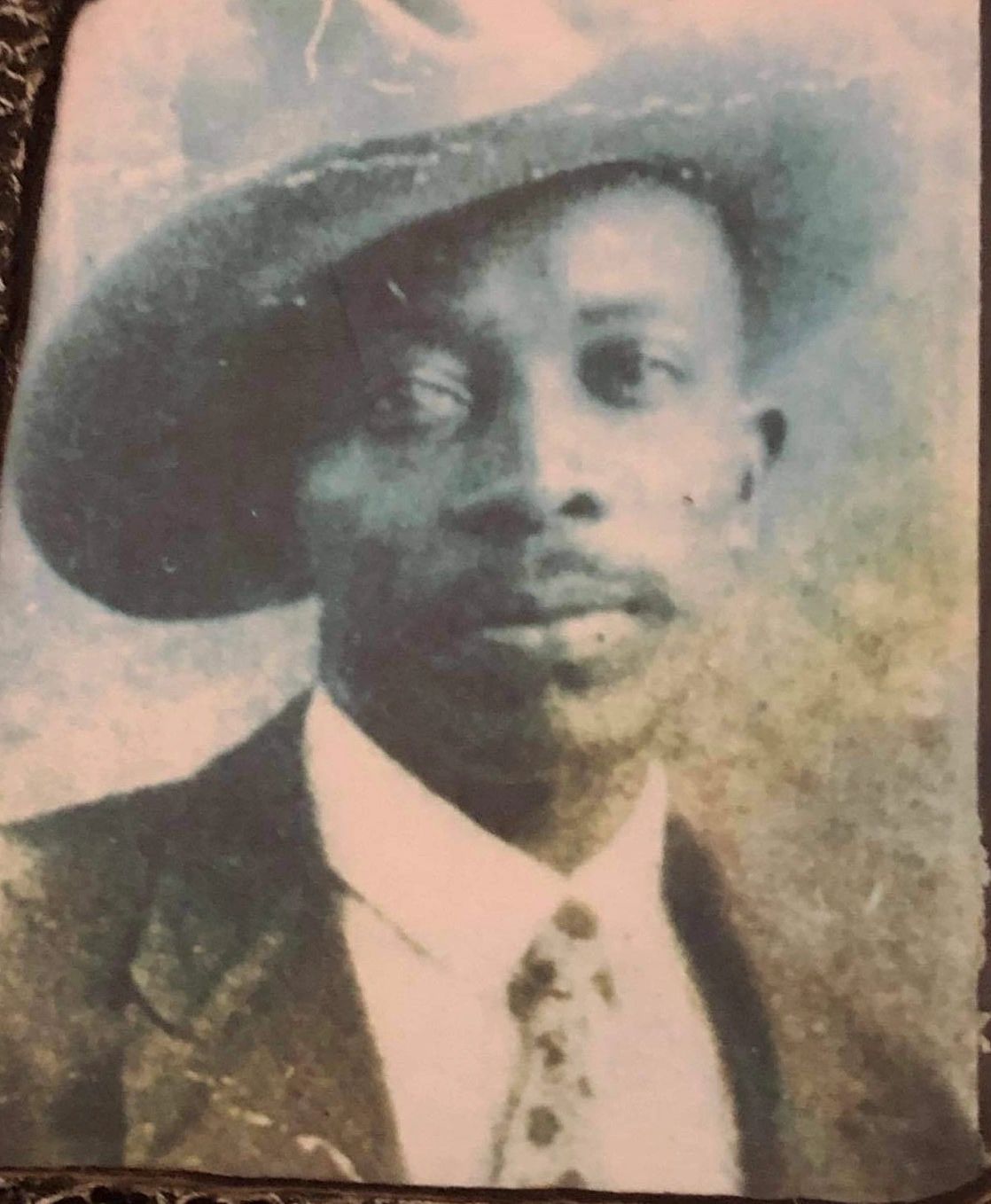
The massacre in San Juan was not just an act of violence; it was part of a broader pattern of repression targeting Indigenous and marginalized communities in Honduras. This fear and state control environment likely led Estanislado Lamberth, Pablo’s father, to join a group resisting the Honduran government. This act ultimately cost him his life.
The repression and marginalization of Garifuna people left a lasting impact on those who survived, including Pablo Lambey. His early exposure to the realities of political violence and forced displacement likely informed his deep commitment to Garifuna advocacy and cultural preservation.
Advocacy and Resistance: Two Generations, Two Strategies
While Estanislado Lamberth resisted through armed conflict, Pablo Lambey took a different path—one of advocacy, negotiation, and community building. His work behind the scenes played a crucial role in securing the return of the NGC headquarters, a testament to his strategic approach to leadership.
Having witnessed the devastating consequences of political betrayal and repression, he likely recognized the necessity of strategic discretion and careful maneuvering. The massacre, where some Garifuna turned against their own people by aiding in their identification, may have further shaped his awareness of the risks surrounding him, reinforcing the need for caution and vigilance in his leadership style.
Leadership and Human Rights: A Legacy Shaped by History
The San Juan Massacre was more than a historical event—it was a turning point that shaped Pablo Lambey's leadership and activism. While his ancestors had fought against oppression in one way, he dedicated his life to advocating for Garifuna cultural and labor rights in another. His leadership and mobilization efforts were rooted in the lessons of survival, resistance, and resilience passed down from his family.
The Pablo Lambey Foundation continues to uphold this legacy, ensuring that the struggles and triumphs of the Garifuna people are never forgotten. Through education, cultural preservation, and advocacy, the foundation honors the past while empowering future generations to carry forward the fight for justice, dignity, and self-determination.